
Los Angeles District Attorney, Nathan Hochman, issued a warning to protesters, emphasizing that while peaceful protest is protected, criminal conduct will be prosecuted. He said that his office will aggressively pursue those who engage in violence, vandalism, destruction of property, and assaults on law enforcement officers.
He made it clear that there is a distinction between lawful protest and illegal behavior. Hochman's warning is related to the immigration protests, during which some demonstrators engaged in disruptive and illegal activities.
While he acknowledges the right to protest, he focuses on the need to hold accountable those who commit criminal acts. Hochman also mentioned that his office is investigating the potential involvement of professional agitators in the protests.
He specifically noted that while most protesters have been peaceful, a small fraction engaged in criminal behavior, including looting, throwing projectiles, and setting vehicles on fire. He stressed that his office is actively working to identify and prosecute those individuals, underscoring the serious consequences of such actions.
Simply put, the LA District Attorney has issued warnings to protestors, underlining the crucial role of peaceful demonstrations in our society. This emphasis on the power and responsibility of peaceful protest can empower and hold the audience accountable.
While the DA's Office will always defend the right to peaceful protest, it will not overlook criminal behavior that endangers public safety or law enforcement officers. This underscores the DA's unwavering commitment to maintaining public safety during protests, while also respecting the right to peaceful assembly.
Key Takeaways
- The DA's Office intends to continue filing charges against individuals who use violence and unlawful behavior to disrupt peaceful protests.
- Common charges against individuals involved in immigration protests include assaulting police officers and using destructive devices.
- He assured that agitators will be identified, arrested, and held accountable, serving as a deterrent to those considering unlawful actions.
- The DA has outlined a detailed List of charges that may be filed against protesters, including failure to disperse, resisting arrest, vandalism, and looting. This information is crucial in educating the public and protesters about the potential legal consequences of their actions.
Law Enforcement's Firm Stance
The Los Angeles District Attorney emphasized the distinction between lawful protest and criminal misconduct, reaffirming that his office stands firmly behind the right to peaceful protests.
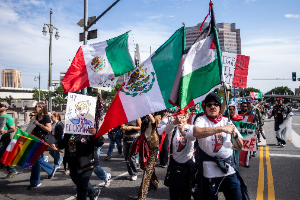
However, when protesters cross the line into vandalism, assault, or other criminal offenses, his office is prepared to take decisive and fair action, respecting the rights of all involved. This fairness in the legal system can make the audience feel reassured and confident.
He focused on incidents of vandalism, assaults on police officers, and looting during recent protests as examples of behavior that will face severe repercussions.
The DA said potential charges for such crimes range from felony vandalism to burglary and robbery, all of which can carry years of prison time.
This is a serious warning, said Hochman, addressing people who have previously engaged in violent protests or those considering unlawful actions. Stressing the seriousness of the charges can make the audience feel the gravity of the situation.
He said they are actively investigating individuals with prior convictions linked to other protests. These individuals, considered "professional agitators," may face enhanced charges and harsher sentences as repeat offenders.
Common Charges Filed Against Protesters
The DA's comments underscore the legal risks for anyone accused of participating in crimes during protests, particularly those of this nature. Some of the most common charges include the following:
- Assault on a Police Officer: Assaulting a police officer can result in felony charges and significant prison sentences.
- Assault with a Deadly Weapon. Assaulting a police officer with a deadly weapon is typically filed as a felony crime.
- Resisting Arrest: Interfering with or obstructing law enforcement officers during a demonstration constitutes resisting arrest.
- Failure to Disperse: When police declare a protest unlawful, officers typically issue a warning to protestors to disperse.
- Failure to Leave After a Warning. People who remain at the scene of an assembly that has been declared unlawful may be charged with failure to leave if they ignore orders from law enforcement to leave the scene.
- Vandalism: Acts of vandalism, such as graffiti or damaging public or private property, can range from misdemeanors to felony offenses depending on the extent of the damage.
- Looting: When demonstrations commit theft during civil unrest, they can face felony looting charges.
- Violating a Curfew Order. When civil unrest occurs, local authorities often impose curfew orders to limit public activity during specific hours. Violating a curfew order occurs when an individual remains in a public space during restricted hours without a lawful reason.
- Arson. PC 451 makes it a felony to willfully and maliciously set fire to any property or structure. Cases of arson may arise in protests where fires are deliberately started to damage property or obstruct law enforcement.
Enhanced Penalties During Declared Emergencies
Under California law, enhanced charges and penalties apply during declared emergencies or times of civil unrest. What might typically be considered a simple petty theft can be charged as looting, a more severe offense.
Also, the state often treats curfew violations and failure to disperse orders more seriously during times of unrest. Understanding the possible consequences ahead of participating in protests during declared emergencies is essential to avoid unintended repercussions.
For individuals with past convictions related to protests, the DA indicates that repeat offenders identified as 'professional agitators' will face intensified scrutiny and potential sentence enhancements. These are individuals who have a history of inciting violence or engaging in criminal behavior during protests.
Examples could include individuals who have been previously convicted of assault on a police officer or those who have a history of instigating violent acts during protests. They may be perceived as threats to public safety, prompting authorities to pursue the most serious charges possible. This is a clear warning to those considering further illegal actions.
He made it clear that this is not a catch-and-release scenario. Anyone arrested, especially those with prior convictions or a perceived intent to incite violence, may face prolonged detention. This means that individuals may be held in custody for an extended period, potentially until their trial.
They may also face substantial legal consequences, including the possibility of a lengthy prison sentence. This commitment to justice ensures that those who break the law are held accountable for their actions.
Why You Need a Criminal Defense Lawyer
The DA's remarks have made it clear that those with prior convictions or a perceived intent to incite violence may face prolonged detention and substantial legal consequences.
In such situations, it's crucial to have our California criminal defense lawyers, who can protect your rights and provide you with legal guidance. Anyone accused of crimes related to these protests may face more severe charges than they would normally expect, making legal representation even more important.
Thus, if you are arrested in connection with the Los Angeles protests, we can evaluate the specifics of the case, ensure your rights are protected, and negotiate on your behalf.
We can also challenge any unwarranted or excessive charges, particularly in cases involving misdemeanor escalations. This term refers to situations where a minor offense, such as resisting arrest, can escalate into more serious charges, like aggravated assault, if the situation deteriorates.
Our criminal defense lawyers can be a crucial ally in navigating the legal system and ensuring a fair trial. For additional information, contact the Hedding Law Firm, located in Los Angeles, CA.
Related Content:

