
CA Vehicle Code 22651 VC - Regulations on Towing and Impound of Vehicles
California Vehicle Code 22651 VC outlines the specific laws governing when and where local law enforcement can legally tow and impound your vehicle.
If your vehicle or circumstances meet legal requirements, law enforcement may tow your vehicle without prior notice and store it at an impound lot. You will need to cover the towing and storage costs before retrieving your vehicle.
This law allows cars to be towed and impounded if the driver commits a DUI, parks in a handicapped or bus zone, has at least five unpaid parking tickets, parks illegally on private property, or blocks traffic in any way.
Private property owners can lawfully call a tow truck to remove a vehicle from their property without notifying the vehicle's owner or the local police.
VC 22651 says, "A peace officer… who is engaged in directing traffic or enforcing parking laws and regulations of a city, county, or jurisdiction of a state agency in which a vehicle is located, may remove a vehicle… in which the officer or employee may act, under certain circumstances…."
The statute outlines various situations, including obstructing traffic, parking dangerously, reporting theft, blocking driveways, hindering firefighting access, arrests, and other cases. Our California criminal defense lawyers will summarize these rules as follows.
When Can My Vehicle Be Impounded?
VC 22651 outlines various situations in which law enforcement may legally tow and impound your vehicle. These circumstances include, but are not limited to, the following examples:
- Obstruct traffic. Parking or abandoning your vehicle in a way that blocks traffic or creates a safety risk can result in towing, so understanding this helps you avoid penalties.
- Block driveway. If you park in a manner that blocks a private driveway, the police can tow your vehicle.
- Blockia fire hydrant. Parking is generally prohibited in front of fire hydrants to ensure firefighters can access them. If you park there, the police are authorized to tow your vehicle.
- Expired registration. Suppose your vehicle registration has expired for over six months. In that case, your license plates are missing, or your license or registration is nonexistent or fake; all of these are grounds for towing and impounding your vehicle.
- Handicapped spots. If you park in a handicapped spot marked by the blue wheelchair icon without proper authorization tags, the police might tow your vehicle to make room for authorized drivers.
- 72-hour ordinance. Some municipalities enforce parking rules that prohibit leaving a vehicle in the same spot for over 72 consecutive hours (three days). If your car stays parked in such areas longer than this period, it's likely to be towed.
- Suspended licenses. If you are stopped by police for driving without a valid license or if your license is suspended or revoked, an officer may immediately tow and impound your vehicle.
- Accident. If your car is involved in a crash and you are too injured or incapacitated to drive, police may remove your vehicle from the scene.
- Parking violations. If you have five or more unpaid parking violations, your vehicle can be towed and impounded by police to settle the debt.
- Arrested. If law enforcement pulls you over and arrests you, such as on suspicion of DUI, they will tow and impound your vehicle.
- Car accident. If the driver was hospitalized or sustained a serious injury, they were unable to operate their vehicle.
Towed Over a Parking Violation
If you're illegally parked, law enforcement typically leaves a citation on your vehicle, outlining your fines and payment instructions. However, there are some exceptions to this rule, including the following:
- If a warning is posted indicating that parking violators will be towed,
- If your vehicle is blocking traffic or creating a safety hazard;
- If it has been left for more than 72 hours in zones where the 72-hour rule applies, or
- If law enforcement finds out you have five or more unpaid parking tickets in the past.
What Happens If My Vehicle Gets Towed?
If police decide to tow your vehicle, it will be taken to the local police or sheriff's department impound lot. To find out its location, you will need to contact the local police.
When you arrive to pick up your vehicle, ensure you bring your driver's license, proof of registration, proof of insurance, and any towing or impound fees due. Knowing these requirements helps you prepare and avoid delays in retrieving your vehicle.
How Much Time to Reclaim the Vehicle
Some parking spaces have towing signs, and the parking ticket includes a notice that police may call a tow company for repeat offenders.
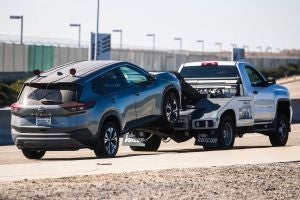
However, police will not try to notify drivers before arranging for a towing company to impound the vehicle. Additionally, as mentioned, private property owners can have vehicles towed from their property without providing notice.
Under California law, your vehicle can be stored at the impound lot for up to 30 days. To avoid additional fees or sales, it's important to retrieve it promptly within this period.
Towing charges vary by impound location. Typical fees include towing, daily storage, administrative, and transfer charges. Many impound lots also sell unclaimed vehicles at auction.
If you require more information about California's vehicle towing laws, contact us to discuss your case details and legal options. The Hedding Law Firm's criminal defense attorneys in Los Angeles are here to help.
